How to Improve Communication with Your Children: A Step-by-Step Guide
CD
Understanding the Importance of Communication
Effective communication with your children is essential for building trust and understanding. It helps in creating a safe environment where children feel comfortable expressing their thoughts and emotions. Good communication can strengthen your relationship and foster a sense of security and belonging.

Listening Actively
One of the most crucial aspects of communication is listening. Pay attention to what your child is saying without interrupting. Show genuine interest by maintaining eye contact and nodding. This encourages them to share more and feel valued.
Active listening involves acknowledging your child's feelings and responding thoughtfully. Try to paraphrase what they’ve said to show understanding and empathy. This not only validates their feelings but also clarifies any misunderstandings.
Creating a Safe Space
Children need to feel safe when expressing themselves. Create an environment where they know their opinions are valued and respected. Avoid judgmental language and make sure your reactions are calm and supportive.

Encouraging Open Dialogue
Encourage open dialogue by asking open-ended questions. Instead of asking yes or no questions, try questions like, "What was the best part of your day?" This invites them to share their experiences more freely and fosters deeper conversations.
Setting Aside Quality Time
Allocate quality time to spend with your children, free from distractions. Whether it’s during dinner or a walk in the park, this dedicated time allows for meaningful conversations. It also shows your children that they are a priority.
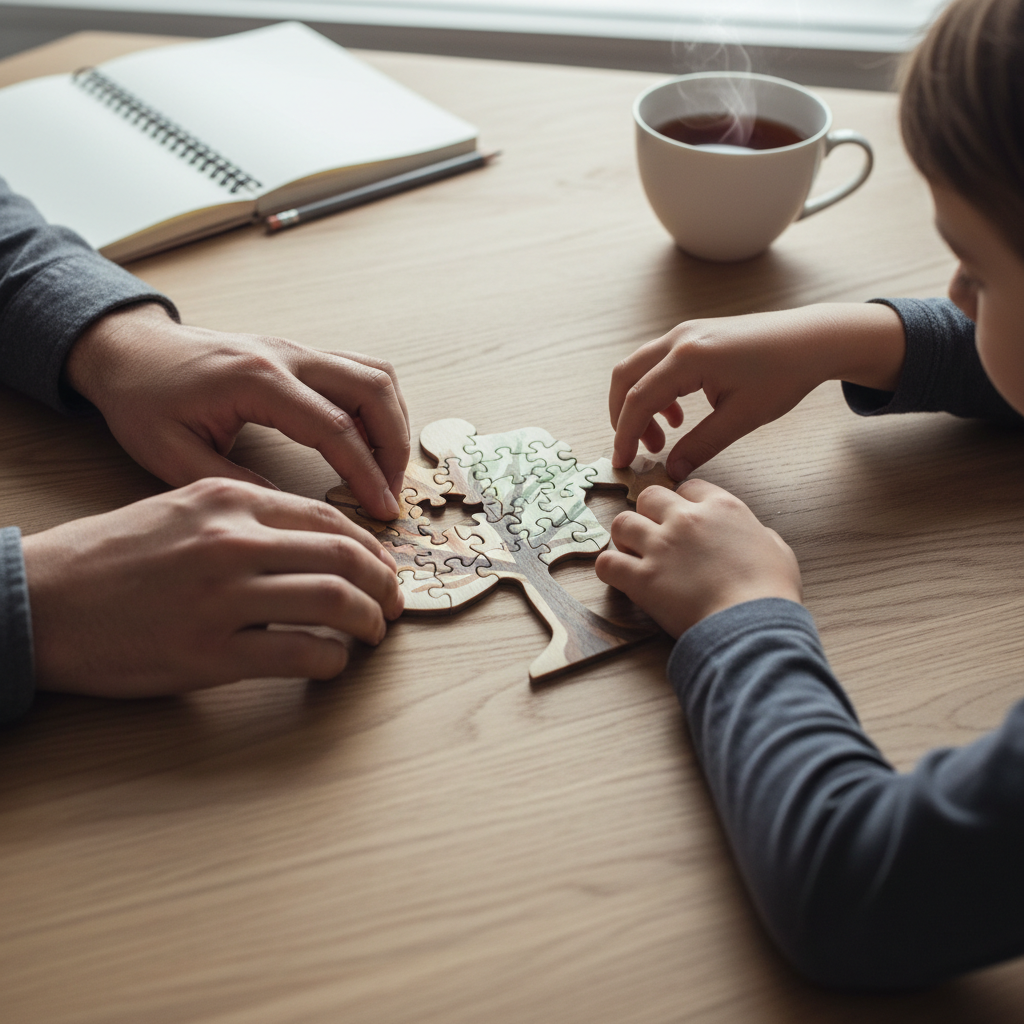
Using Positive Reinforcement
Positive reinforcement can greatly enhance communication. Praise your child when they express themselves well or handle a situation maturely. This not only boosts their confidence but encourages them to continue the behavior.
Being a Role Model
Children often emulate the behaviors of their parents. By demonstrating effective communication skills, such as being polite and respectful, you set a positive example for your children to follow.
Handling Difficult Conversations
It’s inevitable that you will face difficult conversations with your children. Approach these with patience and understanding. Be honest, but also sensitive to their feelings. This helps build trust and shows that you’re there to support them through any situation.

Improving communication with your children is a continuous process that requires patience and commitment. By employing these strategies, you can build a stronger, more open relationship with your children, paving the way for healthier interactions in the future.